Guides

Your First Solo Trip: The Complete Guide

Everything you need to know to plan, book, pack, and embark on your first solo journey — with confidence, preparation, and a sense of adventure.

1. Choose a Destination
2. Plan & Book
3. Prepare
4. Budget
5. Pack
6. Stay Safe
7. Meet People
8. Problem Solve

Eight Steps to Your First Solo Adventure

Follow these steps in order. Each one builds on the last — and by Step Eight, you'll have everything you need to travel solo with confidence.

1

Choosing Your First Destination

Your first solo trip destination should minimize friction while maximizing enjoyment. The goal is to build confidence — not test your limits before you're ready. Look for countries with well-established solo travel infrastructure, English widely spoken, and a reputation for welcoming independent travelers.

  • Start with a country where English is spoken or widely understood
  • Choose a destination with strong public transport networks
  • Look for active hostel communities where you can meet other solo travelers
  • Consider a shorter trip first — 7 to 10 days — before committing to months away
  • Visit a solo travel forum or Reddit community (r/solotravel) to read recent reports
2

Planning & Booking

Effective planning for a solo trip is different from group travel — you have total freedom, which can be both liberating and overwhelming. Build a loose itinerary that has structure but isn't so rigid that unexpected opportunities can't arise.

  • Research deeply: Lonely Planet, travel blogs, YouTube vlogs, and Reddit give you ground-level knowledge
  • Booking sequence: Flights first, then accommodation for your first 2–3 nights, then day-by-day as you go
  • Use hostels: Book with free cancellation when possible — HostelWorld and Booking.com are reliable
  • Transport: Research local transport options (trains, buses, ferries) before arrival
  • Build in buffer days: Don't over-schedule. Spontaneity is a solo travel gift
3

Pre-Trip Preparation

The preparation phase feels unglamorous but it's where safety and peace of mind are built. Complete these before departure — don't leave them for the airport lounge.

  • Check passport validity — many countries require 6+ months beyond your travel dates
  • Apply for visas well in advance where required
  • Purchase comprehensive travel insurance (World Nomads, SafetyWing, or IMG are popular choices)
  • Visit a travel health clinic 4–6 weeks before for vaccinations and malaria advice
  • Leave a copy of your itinerary, passport, and emergency contacts with someone at home
  • Register your trip with your country's foreign affairs/state department
  • Download offline maps (Maps.me, Google Maps offline) for your destination
4

Budgeting

Solo travel costs more per person than traveling with others — there's no one to split accommodation costs with. Plan for this reality upfront by building a realistic daily budget with contingency funds.

  • Set a realistic daily budget including accommodation, food, transport, activities, and miscellaneous
  • Add a 20% emergency fund on top of your total estimated costs
  • Research ATM availability and fees at your destination — carry some local cash on arrival
  • Notify your bank of travel dates to prevent card blocks
  • Consider a travel money card (Wise, Revolut) for favorable exchange rates
  • Track spending daily — TrailWallet and TravelSpend apps are excellent
Full Budget Travel Guide →
5

Packing

For your first solo trip, the temptation to pack everything "just in case" is real — and almost universally regretted. The one-bag philosophy is a transformative approach to solo travel: if you can carry everything you own on your back, you'll never pay baggage fees, never wait at carousels, and never be slowed down.

  • Choose a carry-on sized bag (40–45L maximum) — Osprey Farpoint, Peak Design Travel Pack
  • Pack based on activities, not duration — clothes can be washed anywhere
  • Quick-dry merino wool clothing packs light and stays fresh longer
  • Your heaviest items: shoes, adapter, laptop — choose each carefully
Full Packing Guide →
6

Staying Safe

Solo travel safety is about awareness and preparation, not fear and restriction. Most solo travelers complete dozens of trips without serious incident — because they've developed good habits and situational awareness from the start.

  • Trust your instincts — if a situation feels wrong, leave it
  • Share your location with a trusted contact when going somewhere unfamiliar
  • Keep digital copies of all important documents in cloud storage
  • Use a door alarm or door stopper in budget accommodation
  • Avoid displaying expensive electronics and jewelry in public
Full Safety Guide →
7

Meeting People Solo

Loneliness is the most common fear new solo travelers have — and the one that most quickly evaporates on the road. Once you arrive, you'll find that solo travelers are everywhere and remarkably open to connection.

  • Hostels: Stay in dorm rooms at least some nights — common rooms are social gold
  • Free walking tours: Meet fellow travelers while learning the city; tip your guide
  • Group day tours: Organized day trips are perfect for meeting people naturally
  • Cooking classes, language exchanges, surf lessons: Shared activities build instant connection
  • Apps: Meetup (events), Couchsurfing (meetups only), Bumble BFF, Hostelworld community
  • Cafés & co-working spaces: Regulars become familiar faces quickly
8

What to Do When Things Go Wrong

Things will go wrong. Flights get missed. Bags get stolen. Bookings get lost. Illness strikes. The difference between a story you laugh about later and a genuine crisis is preparation and perspective — and knowing exactly what to do before it happens.

  • Lost passport: Contact your embassy immediately — most can issue emergency travel documents within 24–48 hours
  • Theft: File a police report immediately (needed for insurance), then contact your bank to freeze cards
  • Medical emergency: Know your travel insurance emergency number — save it in your phone before departure
  • Missed flight: Go to the airline desk immediately — most have standby policies for genuine delays
  • Lost/no accommodation: The lobby of a mid-range hotel is a safe, well-lit place to regroup and rebook
  • Mental health: Homesickness and overwhelm are real — give yourself permission to slow down or call home
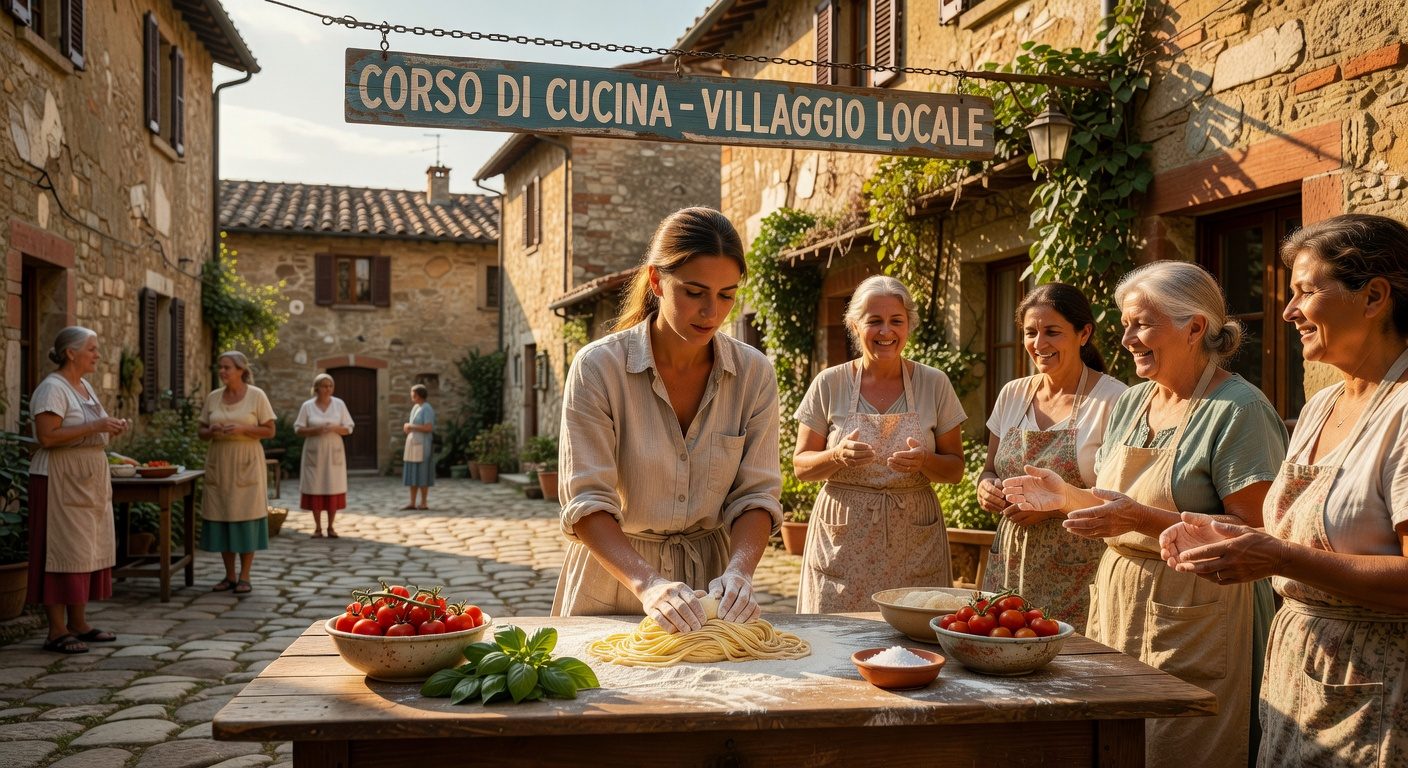
Solo traveler joining a local cooking class

Joining Local Experiences

One of the greatest gifts of solo travel is the freedom to say yes to anything, on any schedule. Cooking classes epitomize this — they're one of the best activities for solo travelers because they're naturally social, educational, and deeply connected to local culture.

A cooking class in Chiang Mai or Oaxaca doesn't just teach you recipes. It connects you with a local teacher, surrounds you with other travelers and curious locals, and gives you a skill — and a story — you carry home for life.

Finding Local Experiences

  • Airbnb Experiences — curated local activities worldwide
  • Viator and GetYourGuide for day tours and workshops
  • Ask your hostel — they know the best local operators
  • Community noticeboards in hostels and cafés
  • Meetup.com for city-specific events

Exploring Freely

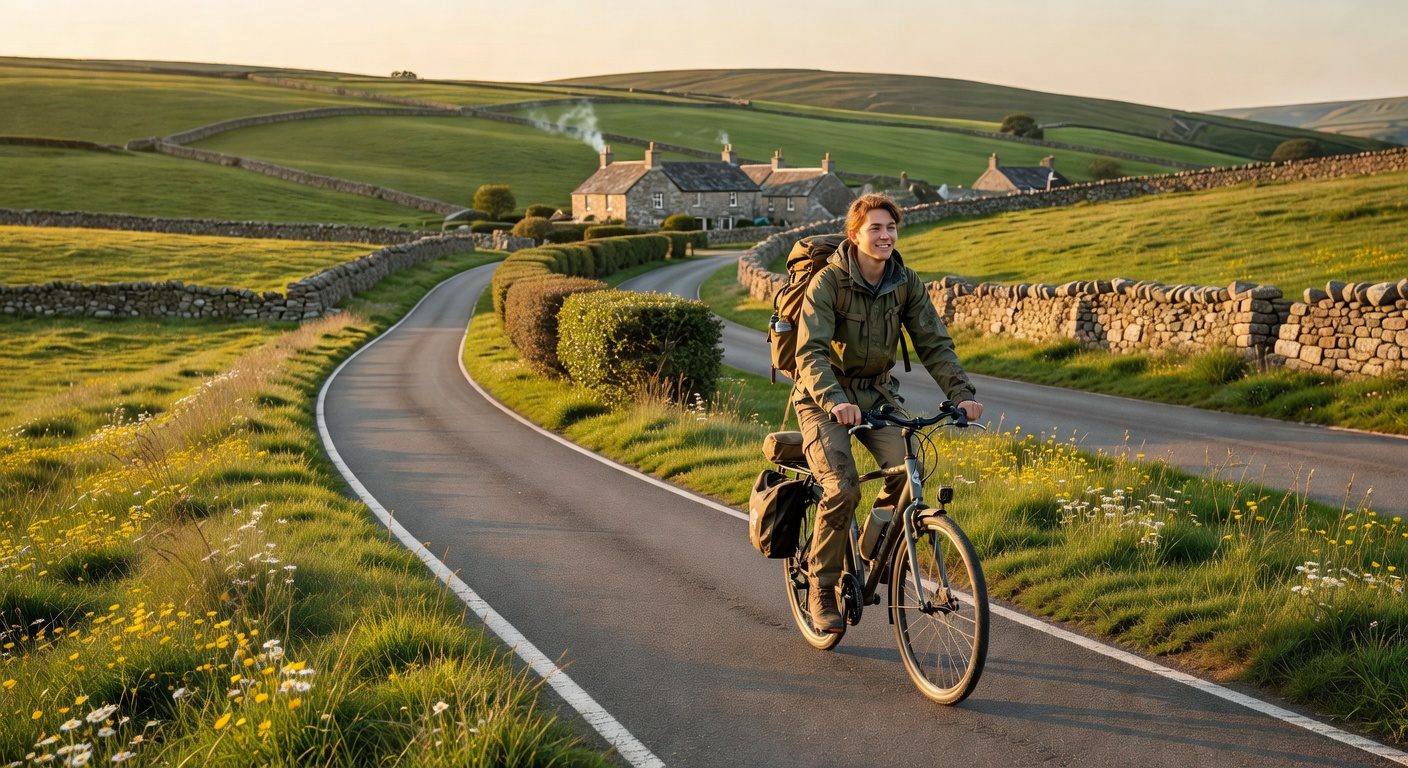
Solo travel means you set the pace entirely. Cycling is one of the most liberating ways to explore a new city or countryside — you cover far more ground than on foot, yet remain slow enough to notice everything you'd miss from a taxi window.

Cities from Amsterdam to Kyoto are magnificently bikeable. Many coastal towns in Portugal, New Zealand, and Vietnam offer spectacular cycle paths along cliffs and beaches — experiences that simply cannot be replicated any other way.

Bike rentals are affordable everywhere, and e-bikes now make hilly terrain accessible even if you're not a confident cyclist. Pick up a paper map from the rental shop — getting a little lost is part of the joy.

Solo traveler cycling along a scenic coastal bike path

Beginner-Friendly Solo Destinations

These destinations consistently receive high marks from first-time solo travelers for safety, ease of navigation, and solo traveler community.

Portugal Easy navigation, safe, English widely spoken
Japan Extremely safe, excellent transport
Thailand Solo traveler infrastructure, low cost
New Zealand English, safe, outdoor adventures
Iceland Ultra-safe, stunning scenery
Ireland English, friendly locals, pub culture
Canada Safe, beautiful, English & French
Costa Rica English in tourist areas, eco-adventures
Netherlands Bike-friendly, liberal, multilingual
Taiwan Incredibly safe, cheap, food paradise

🌍 What Makes a Destination "Beginner-Friendly"?

  • English signage and communication
  • Reliable public transport
  • Established hostel network
  • Low risk of petty crime targeting tourists
  • Good solo traveler community online

🎒 Start Short, Go Long

Your first trip doesn't need to be 3 months in Southeast Asia. A 10-day trip to Portugal or Thailand is the perfect way to discover your solo travel style before committing to a longer journey.

💬 Research the Community

Before choosing a destination, read r/solotravel and Lonely Planet's Thorn Tree forum. Real recent reports from fellow solo travelers are worth more than any guidebook's ratings system.

Common First-Timer Mistakes to Avoid

Nearly every experienced solo traveler made these mistakes on their first trip. Learn from them so you don't have to.

Over-scheduling your itinerary

Trying to see seven cities in ten days is exhausting and leaves no room for spontaneous discoveries. Allow at least two nights in each location, and build in blank days.

Packing too much "just in case"

You will not wear everything you pack. Every item in your bag you don't use is dead weight. Lay everything out, then put half of it back.

Not getting travel insurance

Medical evacuation from Southeast Asia can cost $50,000+. A comprehensive travel insurance policy costs $5–8 per day. This is not optional.

Staying glued to your phone

Google Maps is useful but looking up from your screen to observe the street around you is how you actually experience a place — and how you notice potential safety issues.

Eating only at "tourist-safe" restaurants

The best food is usually at local markets and street stalls. Busy spots with high turnover are safer than empty "tourist" restaurants. Locals eating there is your best quality signal.

Not telling anyone where you're going

Always leave a detailed itinerary with someone at home — including accommodation names and phone numbers, and a check-in schedule. This is your safety net, not paranoia.

Building Confidence Before You Go

"I've never traveled alone before."

Start small before your big trip. Take a solo day trip to a nearby city. Eat alone at a restaurant. Navigate an unfamiliar neighborhood without GPS. Each small solo act builds the confidence muscle you'll rely on abroad.

"What if I get lonely?"

Loneliness passes quickly when you're somewhere new and interesting. The solo traveler's secret: you're never truly alone on the road. Hostels, tours, and cafés create encounters that group travelers never have — because you're the one who has to reach out first.

"What if something goes wrong?"

Things go wrong in travel exactly as they go wrong in life — and you handle them the same way: one step at a time. Every experienced solo traveler has stories of missed buses, wrong turns, and lost wallets. Those stories become the ones you tell most proudly.

"I'm not adventurous enough."

Solo travel doesn't require adventurousness — it creates it. You don't need to bungee jump or sleep in tents. Walking a new city's streets alone, ordering food in a language you don't speak, finding your way without help — that is adventure enough for the first time.

Your First Trip Checklist

Download our complete printable checklist covering everything from documents and packing to safety and departure-day prep.